

Why cockroaches are a serious health concern
Cockroaches can contaminate surfaces and food with bacteria including Salmonella and E. coli. Their droppings and shed skins are allergens that trigger asthma, especially in children. In food service and multi-unit buildings, they can spread quickly if the root causes are not addressed.
Spraying baseboards does not solve a cockroach problem. Effective control requires understanding where they are harboring and what is sustaining them.
| Species | Size | Where found | Key concern |
|---|---|---|---|
| German cockroach | 12-15mm, light brown | Kitchens, bathrooms, near heat and moisture | Fastest reproducer, most common indoor species |
| American cockroach | 30-50mm, reddish brown | Basements, drains, steam tunnels | Large and alarming but less persistent indoors |
| Oriental cockroach | 20-25mm, dark brown/black | Basements, drains, crawl spaces | Prefers cool damp areas, strong musty odor |
| Brown-banded cockroach | 10-14mm, tan with bands | Higher locations: shelves, cabinets, ceilings | Spreads throughout building, not just kitchen |
A targeted, safer approach
We combine targeted gel baits, dust applications in wall voids, and monitoring stations with clear sanitation and exclusion guidance. The goal is to break the cycle of harborage, food, and water access — not just knock down what you see.
Gel baits are more effective than broadcast sprays because cockroaches share food, spreading the product through the colony.
Get a Quote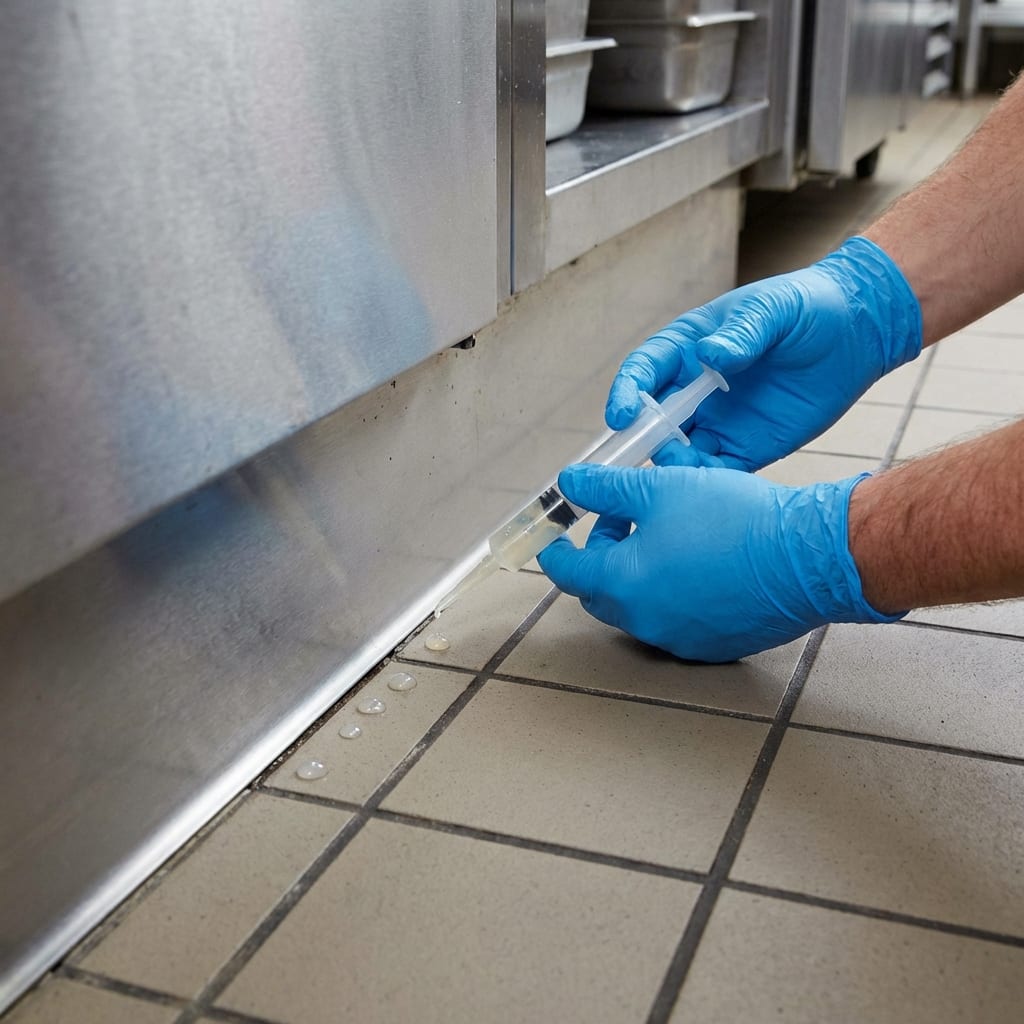
Inspection
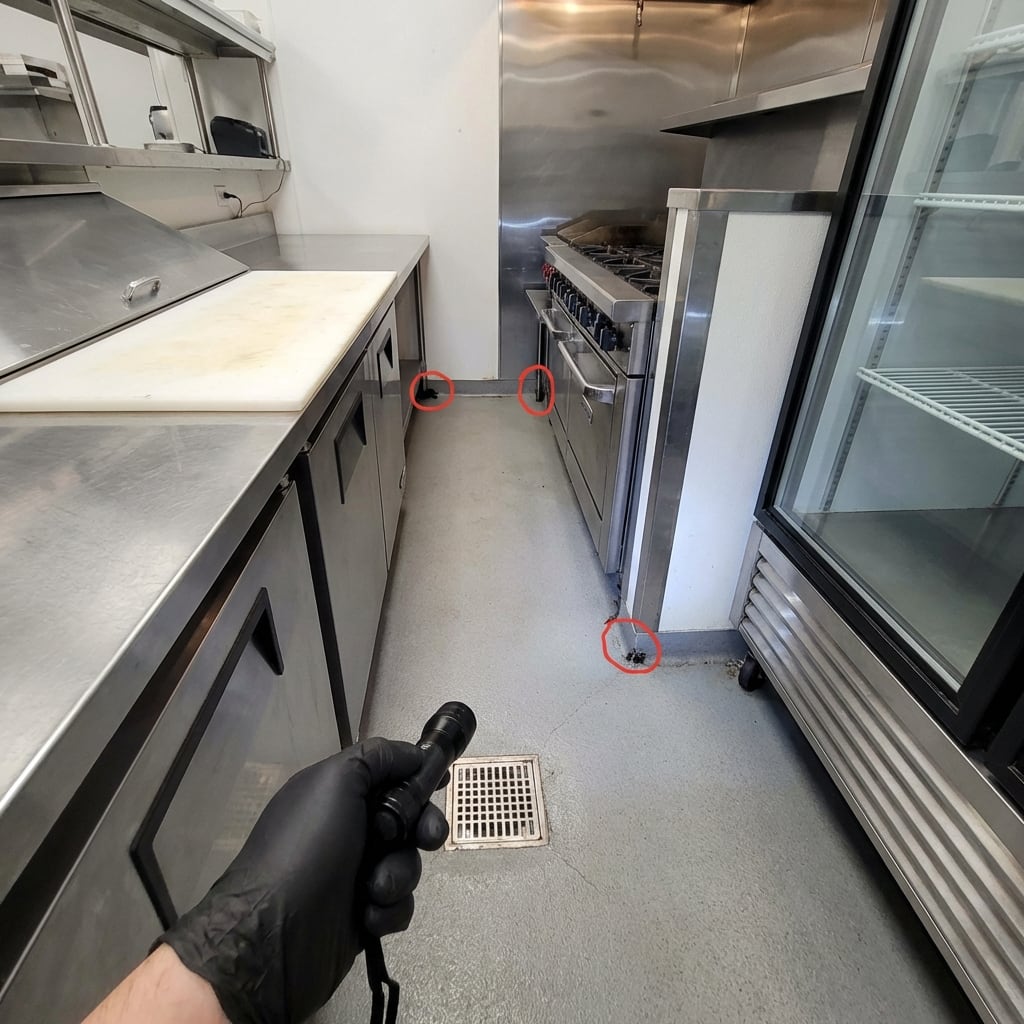
We locate harborage areas, assess severity, identify contributing conditions, and determine the species.
Sanitation guidance
Clear recommendations for food storage, cleaning protocols, and moisture reduction that support treatment.
Targeted treatment
Gel baits and dust in harborage areas, monitoring stations, and crack-and-crevice applications.
Follow-up monitoring
Sticky traps and scheduled follow-ups to confirm population reduction and catch any resurgence early.
I only see one cockroach — is it a problem?
If you see a German cockroach during the day, there are almost certainly many more hiding. They are nocturnal and only come out in daylight when populations are high or harborage is disturbed. One American cockroach in a basement may be a stray, but it is worth investigating.
Can I solve a cockroach problem myself?
Over-the-counter sprays may kill individual roaches but rarely solve the underlying problem. German cockroach infestations in particular require professional-grade baits, correct placement, and follow-up. Misuse of foggers can scatter them into walls and make things worse.
How long does cockroach treatment take?
Initial treatment takes 1-2 hours. Significant population reduction is usually visible within 1-2 weeks. We schedule follow-ups at 2-4 week intervals until monitoring confirms control. Severe infestations may require 2-3 treatment cycles.
Is the treatment safe for my family and pets?
The gel baits and targeted applications we use are applied in cracks, crevices, and harborage areas that are inaccessible to children and pets. We do not broadcast spray living areas. We follow all label requirements for safe application.
Commercial kitchen cockroach control
Food service operations face strict health code requirements. We understand health department expectations and provide the documentation you need for inspections. Our service windows are designed to work around your operating hours.
Cockroach problems need professional help
The longer you wait, the larger the population grows. Contact us for an inspection and targeted treatment plan.
Request Service